In an editorial, Jersey City Ward F Councilman Frank “Educational” Gilmore is urging local families to start saving now since the municipal budget is going to inevitably come with a sizable tax increase.
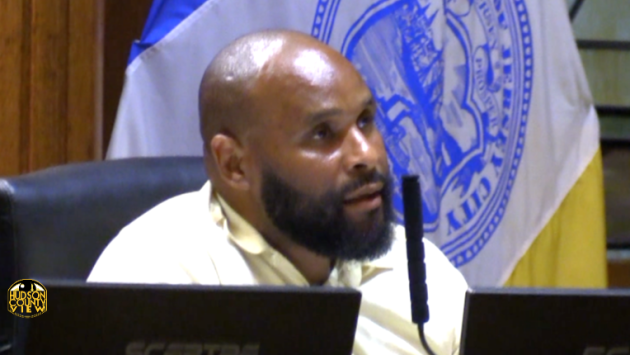
One of the hardest parts of public service is telling people what they do not want to hear.
On July 1st, we, the City Council, voted unanimously against approving the 3rd quarter tax increase. Residents from every corner of Jersey City made their voices heard.
They packed Council Chambers, sent emails, made phone calls, and demanded greater transparency before another tax increase was placed on homeowners and renters.
That public engagement mattered. But rejecting the first proposal did not eliminate the financial challenges facing our city.
The reality is this: A property tax increase is still likely. The only question is how much. That may not be what anyone wants to hear, but I believe residents deserve honesty, not false hope.
Understand What May Be Coming
Many residents understandably focused on the proposed 15% municipal tax increase. But the reality is more complex.
Your property tax bill isn’t determined by the City alone. It is made up of three major components: the municipal tax levy, the county tax levy, and the Board of Education tax levy.
The county and board of education have already adopted budgets that will increase their share of property taxes this year. Whatever the City ultimately adopts will be added on top of those increases.
That’s why my advice to every homeowner—and frankly every renter, because higher taxes often become higher rents—is simple: Start saving now.
Not because we’ve lost the fight. Not because the final numbers have already been decided. But because being financially prepared is always better than being financially caught off guard.
If you can put aside $20 a week, do it.
If you can save $50 every paycheck, do it.
If all you can manage is $10, start there.
Small, consistent savings today could make a tremendous difference later this year.
I’ve always believed in one simple principle: Hope for the best. Prepare for the worst.
The Budget Process Isn’t Over
Many residents don’t realize that the budget process is still unfolding. Once the administration introduces their budget, the City Council begins reviewing every department’s spending request by way of public budget hearings.
Department directors will be questioned about staffing, overtime, contracts, capital projects, and expenditures.
Council members can request additional information, identify potential savings, and ultimately introduce amendments that reduce or shift spending before the budget is adopted.
In other words, the work is just beginning. There is still time to ask hard questions. There is still time to identify efficiencies.
There is still time to reduce unnecessary spending before asking taxpayers to contribute another dollar. And that is exactly what I intend to do.
Government Must Share the Sacrifice
One thing we cannot be afraid to talk about is shared sacrifice within City Hall itself.
Before we start talking about layoffs or asking homeowners to dig deeper into their pockets, we ought to have an honest conversation about temporary employee furloughs. Jersey City has used furloughs before during difficult financial times.
While nobody wants to miss a paycheck, a temporary furlough may help save jobs and prevent permanent layoffs.
That’s not punishment—that’s neighbors pulling together to get through a difficult season. Shared sacrifice only works when everybody shares in it.
Families across Ward F have been adjusting their lives to afford to live here.
They’ve postponed vacations. Delayed home repairs. Taken second jobs. Cut back on groceries. Canceled subscriptions. Reduced household spending. They’re making difficult financial decisions every single day simply to remain in the city they love.
Government should be willing to make difficult decisions, too.
Before asking residents for more money, City Hall should demonstrate that every contract has been reviewed, every vacant position evaluated, every overtime expense justified, and every non-essential project weighed against the financial hardship facing taxpayers.
Shared sacrifice can’t just be a slogan.
It has to become public policy.
Stay Engaged
Over the coming weeks, the Council will continue reviewing the proposed budget through public hearings before any final vote takes place.
I encourage every resident to follow the process. Read the budget. Attend the hearings. Ask questions. Sign up to speak during the public hearing.
Government works best when residents participate.
The unanimous vote to reject the first proposal proved that public engagement matters. Let’s keep that momentum going.
Preparing Together
My responsibility isn’t only to fight for a better budget. It’s also to help families prepare for whatever comes next. That’s why my office will be hosting a Financial Readiness Seminar and Job & Career Fair this fall.
We’ll bring together financial professionals, employment resources, career opportunities, and practical budgeting tools to help residents strengthen their financial future regardless of what happens with the final tax rate.
Whether you’re looking for a better-paying job, a second source of income, budgeting strategies, or simply ways to stretch every dollar a little further, we want to provide real resources—not just rhetoric.
Details will be announced soon.
My Commitment
I will continue fighting for a budget that protects taxpayers while preserving the essential services our neighborhoods rely upon. I will continue asking difficult questions.
I will continue looking for savings. And I will continue advocating for the families who built this city—not just those who can still afford to buy into it.
In the meantime, my advice is simple. Save. Save. Save. I sincerely hope you won’t need every dollar you put aside. But if additional costs come—and they very well may—you’ll be grateful you prepared today instead of scrambling tomorrow.
Our families deserve transparency. Our taxpayers deserve accountability. And together, we’ll continue fighting for both.
Be great on purpose.
Councilman Educational Gilmore
P.S. – Check out jcnj.org/calculator for an example of your potential property tax increase and how each taxing authority is broken down (city, county, board of ed).